

How to Choose the Right Material for Your Outdoor Sign
An outdoor sign is an investment in your brand or safety protocol. Whether it is a business storefront sign, a parking lot disclaimer, or a construction site warning, you expect it to last. However, Mother Nature can be harsh. Sun, rain, wind, and freezing temperatures can destroy improper materials in months.
Choosing the wrong material is the most common mistake buyers make. A plastic sign meant for indoors will crack in winter. A non-laminated vinyl decal will fade to white in the summer sun.
To ensure your message remains visible and professional for years, you must match the material to the environment. Learn more about the most common outdoor sign materials and how to select the right one for your specific needs.
Why Material Matters
The effectiveness of a sign is tied directly to its durability. If a safety warning fades, it becomes a liability. If a business sign peels, it damages your reputation. When browsing for outdoor signage, you will typically encounter these core material options:
Shop Outdoor Signs:
a. Aluminum
d. Acrylic
The Top 3 Materials for Outdoor Signs
Not all “weatherproof” signs are created equal. Here is a breakdown of the three industry standards for outdoor durability.
1. Aluminum (The Gold Standard)
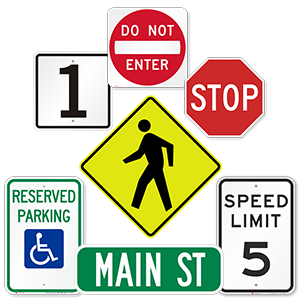
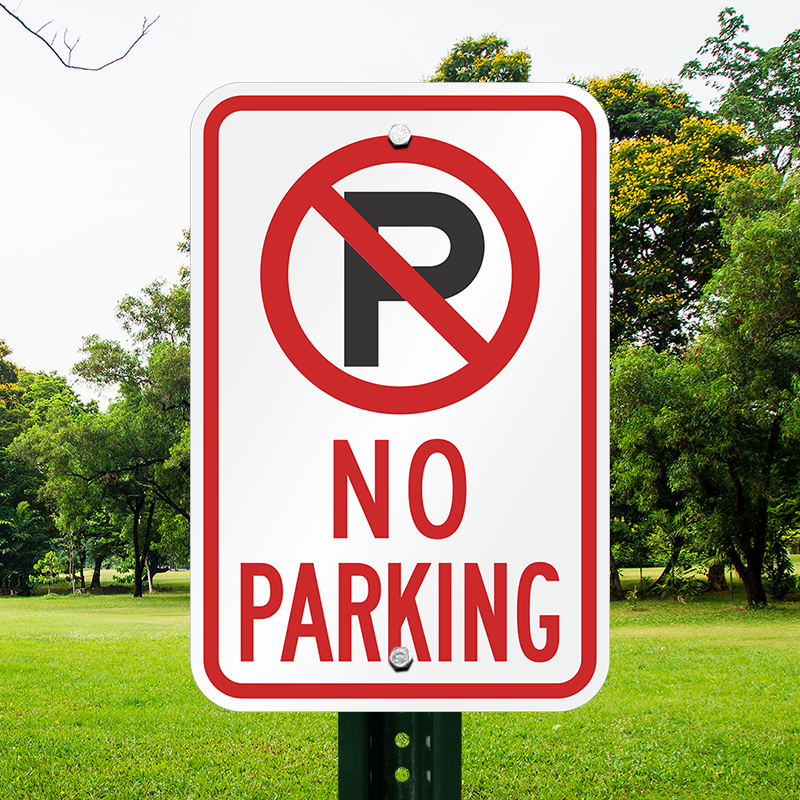
If you need a sign to last 5, 7, or even 10 years, aluminum is the best choice. It is the same material used for official traffic stops and highway signs.
a) Pros: It is completely rust-proof, waterproof, and chemically resistant. It is rigid enough to be mounted on a post without bending.
b) Best For: Parking signs, traffic control, real estate signs, and permanent safety warnings.
2. Aluma-Lite (The Strongest Composite)
Aluma-Lite panels feature a high-density plastic core sandwiched between two sheets of aluminum. This creates a panel that is incredibly strong yet lightweight.
a) Pros: It offers the durability of aluminum but is much thicker and stiffer. It does not bow or flex in high winds, making it perfect for large signs mounted between two posts.
b) Best For: Large storefront signs, construction site entrance signs, and wall-mounted building directories.
3. Corrugated Plastic (The Budget Friendly Option)
Often called “Coroplast,” this material looks like plastic cardboard. It is lightweight and inexpensive but not designed for long-term use.
a) Pros: It is very cheap and easy to move.
b) Cons: It can become brittle in freezing temperatures and may fly away in strong winds if not secured properly.
c) Best For: Political yard signs, temporary construction notices, or short-term event directional signs.
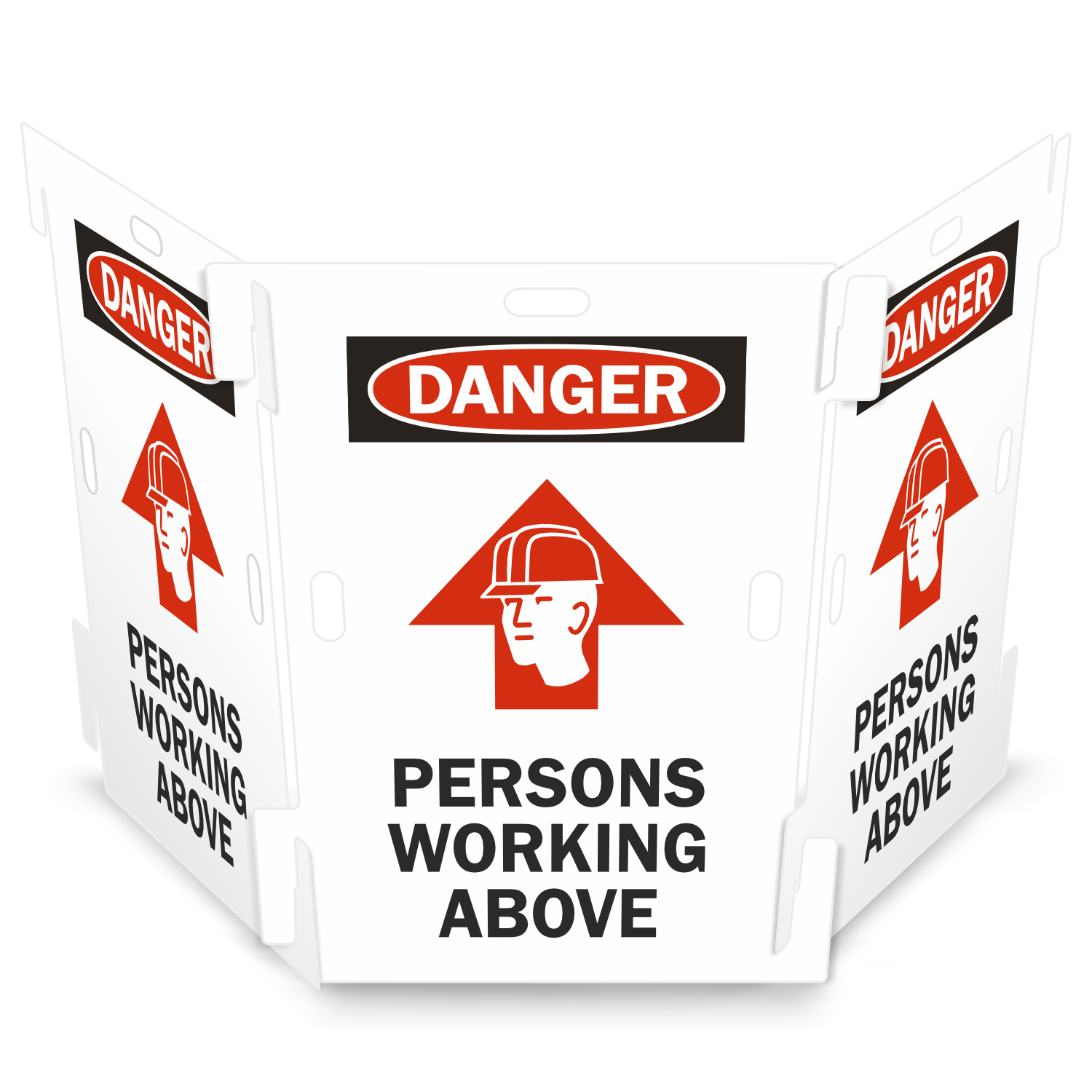
Persons Working Above Corrugated Plastic Sign
Key Factors to Consider Before Buying
Before you click “purchase,” ask yourself these three questions to ensure you are getting the right product.
i) How Long Does It Need to Last?
If this is a permanent “No Parking” sign, spend the extra money on heavy-gauge aluminum. If it is a “For Sale” sign that only needs to be up for three months, corrugated plastic is the smarter financial choice.
ii) Will It Be In Direct Sunlight?
UV rays are the enemy of outdoor signs. Regardless of the base material (metal or plastic), always ensure the sign has a UV Laminate. This clear protective coating acts like sunscreen for the ink, preventing fading and keeping the colors vibrant for years.
iii) How Will You Mount It?
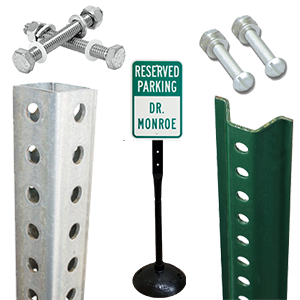
a) Center Post: Use Aluminum. It is rigid and won’t droop.
b) Wall Mount: Acrylic or Aluma-Lite look professional and lay flat.
c) Wire Stake: Corrugated Plastic is the only material light enough for simple wire ground stakes.
Incorporate the Right Signs Into Your Property
Selecting the right material saves you money in the long run. By investing in the correct substrate now, you avoid having to replace a faded, cracked, or rusted sign a year from now.
Read through some of the other articles published on our blog to get more information on maintaining your facility’s signage.
Frequently Asked Questions (FAQ)
1. What is the most durable material for outdoor signs?
A. Aluminum is generally considered the most durable material. It is rust-proof, waterproof, and can withstand extreme temperature fluctuations without cracking. When paired with a UV protective laminate, a high-quality aluminum sign can last outdoors for 7 to 10 years or more.
2. Does acrylic hold up outdoors?
A. Yes, but it requires specific care. High-quality cast acrylic is durable outdoors and offers a glossy, high-end look. However, it can scratch easily and may yellow over time if not treated with UV inhibitors. It is best used for building branding where aesthetics are the priority over rugged durability.
3. What is the difference between aluminum and reflective aluminum?
A. Reflective aluminum has a special coating that bounces light back. Standard aluminum is painted and visible only in daylight. Reflective aluminum (like a Stop sign) lights up when hit by headlights, making it essential for parking lots, driveways, and roads where nighttime visibility is required for safety.
4. How do I stop my outdoor sign from fading?
A. You must choose a sign with a UV laminate. Ink alone will eventually fade under the sun’s ultraviolet rays. A UV laminate is a clear, protective film applied over the printed graphic that shields the ink from sun damage, chemicals, and graffiti, significantly extending the life of the sign.
5. what are the best materials for outdoor plastic signs?
A. The best materials for outdoor plastic signs are heavy-duty aluminum, HDPE plastic, and engineer-grade reflective aluminum. Heavy-duty aluminum is rust-proof, UV-resistant, and built to withstand rain, wind, and temperature extremes for 10 or more years. Reflective aluminum adds nighttime visibility, making it ideal for construction sites and low-light outdoor locations.