

Where to Install Your 911 Sign: A Compliance Checklist
In a medical emergency or a fire, first responders rely entirely on your address signage to find you. If your 911 address sign is hidden behind a bush, faded by the sun, or placed too far from the road, it can cost paramedics valuable minutes.
According to emergency response guidelines, a visible address is the most critical factor in response times. GPS is helpful, but it is not infallible. When technology fails, a clear, reflective physical sign is the only thing guiding help to your door.
Proper installation is not just about curb appeal. It is about compliance and safety. Learn where to install your 911 sign to ensure it meets legal standards and remains visible when it matters most.
What Is a 911 Address Sign?
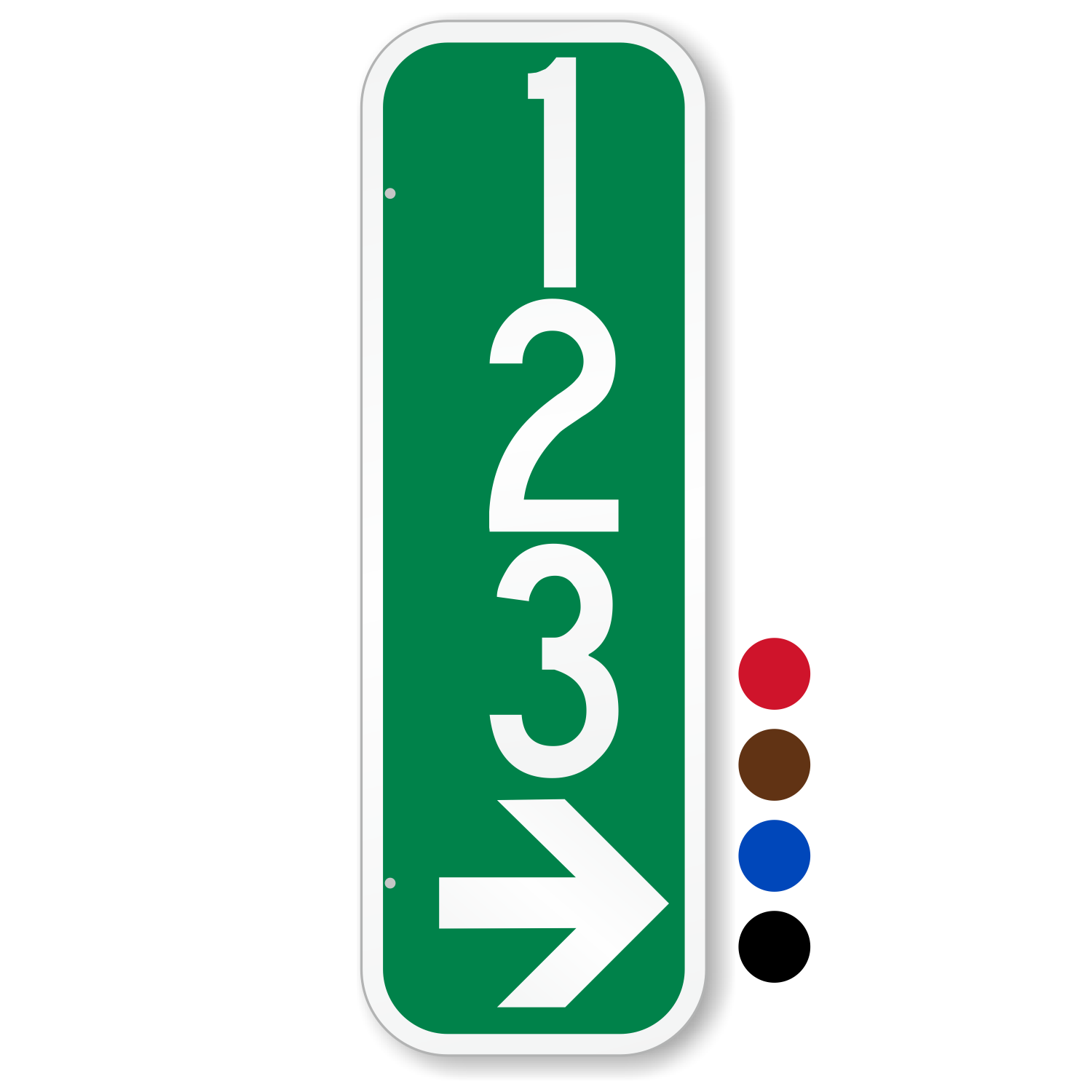
A 911 address sign is a high-visibility marker that displays a property’s assigned house number. Unlike decorative house numbers, these signs are specifically designed for emergency visibility. They typically feature reflective numbering on a contrasting background (often green or blue) to ensure they catch headlights at night. While updating your property signage, you might consider options such as:
Shop 911 Address Signs:
b. Custom Designer Address Signs
A Compliance Checklist for Installing Your 911 Sign
Local ordinances vary, but most fire codes and 911 regulations share the same core requirements. Use this checklist to ensure your installation is up to code.
1. Visibility from the Road
The golden rule of address signage is that it must be readable from the street. Installing numbers on your front door is often insufficient if the house is set back far from the road. The Fix: If your house is more than 50 feet from the street, or if trees block the view, install the sign at the driveway entrance. It should be placed perpendicular to the road so it can be read by drivers approaching from either direction.
2. Height Requirements
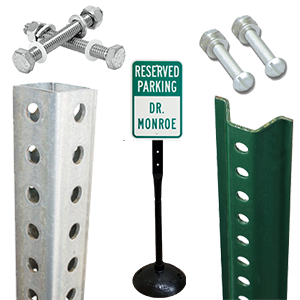
If a sign is too low, it gets buried in snow or weeds. If it is too high, headlights won’t hit the reflective material. The Fix: Install your sign post so the numbers are between 4 and 6 feet above the ground. This places the sign directly in the line of sight for ambulance and fire truck drivers.
3. Reflectivity and Contrast
Black numbers on a dark brown post disappear at night. Emergency codes almost always require high contrast. The Fix: Use white reflective numbers on a green or blue background (depending on your county’s specific color code). Ensure the material is “Engineer Grade” or “High Intensity” reflective sheeting, similar to what is used on traffic signs.
4. Size of Numbers
Small, elegant script might look nice, but it is hard to read in a panic. The Fix: Numbers should be at least 4 inches tall with a stroke width of 0.5 inches. This size is generally readable from 150 feet away. Avoid script fonts. Stick to bold, block-style numbering.
5. Maintenance and Obstructions
A perfectly installed sign is useless if a bush grows over it a year later. The Fix: Clear away tree limbs, brush, or landscaping features that might obscure the sign. Check it annually to ensure the reflective coating hasn’t peeled or faded in the sun.
Tips for Difficult Driveways
i) Shared Driveways: If multiple homes share one driveway, post the range of numbers at the road (e.g., 100 to 104 Smith Ln) and then place individual signs at each split or fork in the driveway.
ii) Long Lanes: If your driveway is over a mile long, consider placing “confidence markers” or a second sign halfway down to reassure responders they are on the right path.
Incorporate Proper Signage Into Your Safety Strategy
Installing a compliant 911 sign is a one-time task that provides permanent peace of mind. It ensures that delivery drivers, utility workers, and, most importantly, emergency responders can find you without hesitation.
Read through some of the other articles published on our blog to get more information on maintaining safety on your property.
Frequently Asked Questions (FAQ)
1. What color should a 911 address sign be?
A. Green with white reflective text is the most common standard. Most counties across the U.S. use this high-contrast combination because it is highly visible at night and uniform for responders. However, some municipalities require blue or brown backgrounds, so always verify your local county ordinances before purchasing.
2. Where should 911 numbers be placed on a mailbox?
A. Numbers should be placed on both sides of the mailbox. This ensures the address is visible to emergency vehicles approaching from either direction. The numbers should be at least 3 inches high and made of reflective material. If multiple mailboxes are clustered together, place the number clearly on the front door of the box as well.
3. How high should a 911 address sign be installed?
A. The ideal height is 4 to 6 feet above the ground. This height prevents the sign from being buried by snowdrifts or tall weeds while keeping it within the beam of vehicle headlights. Signs placed too high or too low may be missed by drivers scanning the roadside at night.
4. Can I use script fonts for my house numbers?
A. No, script or cursive fonts should be avoided. Emergency codes generally require numbers to be Arabic numerals (1, 2, 3) in a simple, bold block font. Fancy scripts are difficult to read quickly from a moving vehicle, which can cause delays during a critical response.